
Top Features and Benefits of Smart Watches in 2024
By:Admin
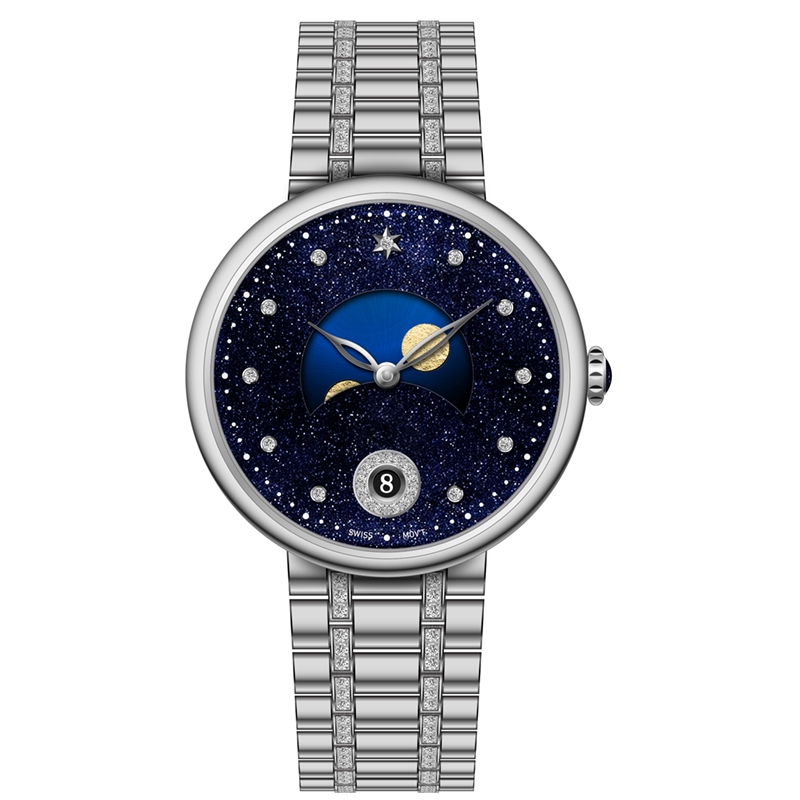
In recent years, smart watches have become one of the most sought-after wearable technologies across the globe. These compact devices, worn on the wrist like traditional watches, have evolved far beyond merely telling time. Integrating features such as fitness tracking, health monitoring, communication, and even mobile payments, smart watches are reshaping how people manage their daily activities, health, and connectivity.
**A Leap Beyond Traditional Timepieces**
Smart watches blend the functionalities of smartphones and fitness devices into a small, convenient gadget. Unlike conventional watches, which primarily relied on mechanical movements to display time, modern smart watches utilize advanced sensors and software to offer a wealth of information at a glance. The ability to receive notifications, answer calls, and track physical activity without reaching for a phone has made smart watches indispensable to many users leading busy and health-conscious lifestyles.
**Technological Innovation Driving Market Growth**
The surge in demand for smart watches reflects broader trends in consumer technology, where portability, convenience, and health awareness play critical roles. Key innovations fueling this growth include improved battery life, higher-resolution touchscreens, enhanced sensors capable of monitoring metrics like heart rate, blood oxygen levels, sleep patterns, and even electrocardiograms (ECG). These features empower users to take proactive steps toward better health management, often detecting potential health issues before symptoms arise.
Additionally, the integration of mobile payment capabilities has added another layer of convenience. Users can now make contactless payments directly from their wrist, speeding up transactions and reducing the need to carry physical wallets or phones. Coupled with GPS tracking and music playback functionality, smart watches serve as versatile assistants for fitness enthusiasts, travelers, and everyday users alike.
**Industry Players Driving Innovation and Accessibility**
Leading companies specializing in wearable technologies have made significant strides in refining smart watch offerings. By investing heavily in research and development, they have ensured that their products meet diverse consumer needs. Whether targeting athletes requiring advanced performance metrics or everyday users seeking stylish accessories that blend with different outfits, manufacturers have expanded their product lines to appeal to a broad audience.
Moreover, many companies have demonstrated a commitment to accessibility and user-friendliness. This includes customizable watch faces, easy-to-navigate interfaces, and seamless integration with various smartphone platforms such as Android and iOS. These enhancements not only improve the user experience but also broaden the potential customer base.
**Health and Fitness: The Heart of Smart Watch Functionality**
One of the most celebrated aspects of smart watches is their role in health and fitness monitoring. The devices continuously track parameters like step count, calories burned, distance traveled, and active minutes, motivating users to maintain an active lifestyle. The incorporation of heart rate monitors helps in understanding workout intensity, recovery, and overall cardiovascular health.
Some smart watches go further by offering specialized workout modes, guided breathing exercises, and even stress-level monitoring. The data collected can often be synced with mobile apps, allowing users to analyze trends over time and set personalized fitness goals. In medical contexts, these wearables can assist patients and doctors by providing real-time health data, potentially transforming approaches to preventive healthcare.
**Connectivity and Productivity On the Go**
The convenience of staying connected through a wrist-worn device cannot be overstated. Smart watches provide users with immediate access to messages, emails, calendar alerts, and social media updates without having to pull out their smartphones. This constant connectivity enables users to remain productive and responsive, particularly in fast-paced environments such as business meetings or when multitasking.
Voice assistants embedded within smart watches further enhance hands-free operation, enabling users to set reminders, send texts, or get directions by simply speaking. This level of interaction not only streamlines daily tasks but also makes technology more accessible to people with disabilities or those requiring quick access to information on the move.
**Challenges and Future Prospects**
Despite their rapid adoption, smart watches face challenges including battery life limitations, sensor accuracy, and sometimes a steep learning curve for less tech-savvy users. However, ongoing advancements in battery technologies, software updates, and user education continue to mitigate these issues.
Looking ahead, smart watch technology promises exciting developments such as expanded health diagnostics, improved artificial intelligence capabilities, and enhanced customization through modular hardware. Wearable devices may increasingly function as comprehensive health companions, capable of detecting early signs of chronic conditions and offering personalized interventions.
**Conclusion**
Smart watches have firmly established themselves as essential tools blending convenience, connectivity, and health insights into an elegant wrist accessory. Their evolution from simple notification devices to sophisticated health monitors and productivity aids reflects broader societal shifts towards digital wellness and seamless integration of technology into everyday life.
As companies continue to innovate and address user needs, smart watches are positioned to play an even more influential role in personal health management, communication, and lifestyle enhancement. With their growing popularity, these wearable devices are not only redefining the concept of a watch but are also shaping the future of how we interact with technology on a daily basis.